Restoration vs. Restomod vs. Full Custom: Which Route Fits Your Classic?
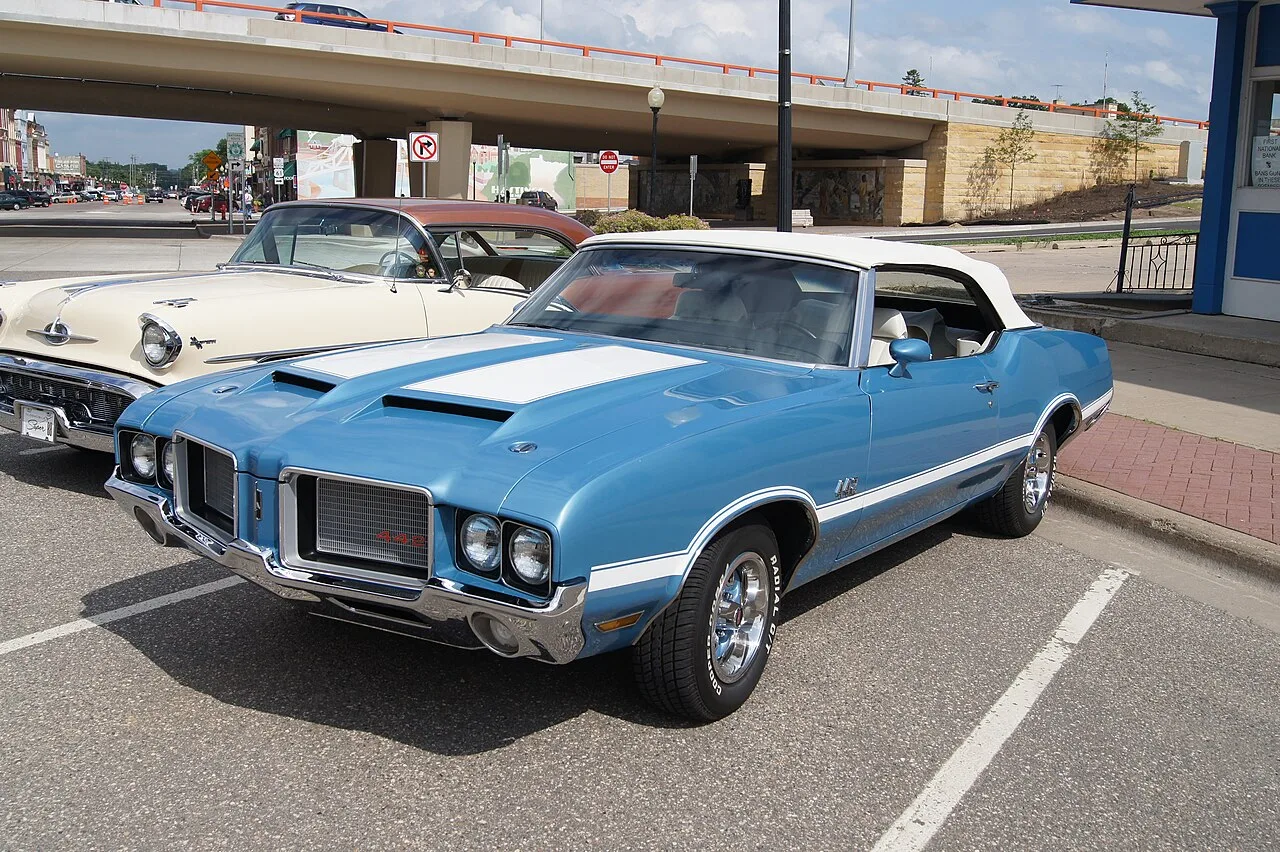
A finished 1972 Oldsmobile 442 illustrates the factory-era proportions that guide a restoration-style plan. Representative vehicle, not a WhipKingz project.Photo: Greg Gjerdingen · CC BY 2.0Resized and displayed with a crop for this layout.
Choose restoration when factory accuracy and preservation are the point. Choose a restomod when you want the old shape with thoughtfully integrated modern driving hardware. Choose full custom when personal expression matters more than factory specification.
That answer sounds simple until the car is in your garage and every choice affects the next one. A brake upgrade changes wheels. Different wheels change stance. A powertrain swap changes cooling, wiring, fuel delivery, exhaust and sometimes the character that made you buy the car.
The smartest route is the one you can describe before the first major part order. If your plan is still “a little stock, a little modern, and maybe 24s,” pause. That is three build briefs fighting over one checking account.
First, define the three routes clearly
These are working definitions, not laws:
- Restoration returns a car toward its documented original configuration, materials and appearance. The closer the target is to factory-correct, the more records and period details matter.
- Restomod keeps the recognizable classic identity while deliberately adding modernized systems for the owner's intended use: brakes, steering, overdrive, cooling, air conditioning, fuel delivery or other upgrades.
- Full custom treats the original car as a starting platform. Paint, stance, wheels, interior and mechanical choices follow one creative brief rather than a factory blueprint.
The Antique Automobile Club of America's 2026 rules show why those distinctions matter in judged settings. AACA describes Class Judging vehicles as restored to original with factory-approved accessories, while its Driver Participation Class accepts specified upgrades such as bolt-on brakes and steering, air conditioning, overdrive and altered exhaust. Its Original class is for unrestored, as-delivered vehicles with factory-approved accessories. Read AACA's 2026 classification summary.
That does not make one route better. It means the destination has rules. A car built for AACA Class Judging and a street-driven restomod can both be excellent, but they should not share the same shopping list.
When restoration is the right answer
A finished 1972 Oldsmobile 442 shows the factory-era body lines, stripe layout and wheel proportions that guide a restoration-style brief. This is a representative vehicle, not a WhipKingz project. Photo: Greg Gjerdingen · CC BY 2.0. Resized and compressed; full framing preserved.

Restoration makes the most sense when the car has significant original equipment, a credible documented configuration or historical value you would regret cutting up. It is also the cleanest route when the satisfaction comes from hunting the correct trim, finishes, fasteners and option details.
AACA's current judging guidelines make a useful distinction between over-restoration and non-authentic restoration. A finish better than the factory originally delivered can be considered over-restoration, while changing a painted part to chrome is a non-authentic change that can receive a deduction. See the 2026 AACA judging guidelines.
Before disassembly, build an evidence file:
- Photograph the complete car, VIN, trim or cowl tags, casting numbers, date codes, labels and routing before cleaning removes clues.
- Gather the title, prior registrations, invoices, manuals, dealer literature and any build documentation.
- Separate what is verified from what is merely believed. “The seller said it is original” belongs in the second pile until the car supports it.
- Create a missing-parts list before refinishing the pieces you already have.
For GM cars, the GM Heritage Archive's Vehicle Information Kits are a strong starting point. GM says the archive includes material covering specifications, RPO and engine codes, VIN decoding, trim tags and service-parts labels. It will not authenticate your individual car by itself, but it helps you compare the car in front of you with period documentation.
Restoration's big tradeoff is freedom. Every custom choice can pull the project away from the target. If you already know you want modern seats, a different engine, a dramatic wheel package and a shaved engine bay, stop calling the plan a restoration. The label will not make those goals more compatible.
When a restomod fits better
Restomod is the practical middle lane for an owner who loves the body and cabin architecture but expects modern traffic manners. The useful version starts with driving goals, not a catalog binge.
Write the use case in one sentence: “I want a reliable weekend car that can handle two-hour highway trips in summer, stop confidently in traffic and be serviced without a treasure hunt.” That sentence is more valuable to a shop than “make it modern.”
A sensible systems order is:
- Structure and condition. Confirm the frame, body mounts, suspension pickup points and corrosion repairs before adding power.
- Brakes, steering and tires. Establish safe control and compatible wheel clearance.
- Cooling, fuel and electrical. Build the support systems around the actual powertrain.
- Powertrain and gearing. Match the engine, transmission, rear gear and intended cruising speed.
- Comfort. Plan seating, belts, HVAC, sound control and gauges as one interior system.
Chevrolet Performance's owner-support library is a good reminder that even factory-engineered upgrade parts require proper installation information. It provides separate guides for crate engines, transmissions and vehicle upgrades. Use the guide for the exact component, and do not assume a social-media parts list covers fuel pressure, control modules, cooling, driveline angles or calibration for your car.
Our editorial view: a strong restomod should feel integrated. The brake pedal, steering effort, ride, gear spacing, temperature control and gauges need to agree with each other. A modern engine in a car with tired wiring and marginal cooling is not a finished modernization; it is a faster way to discover old problems.
When full custom is the honest choice
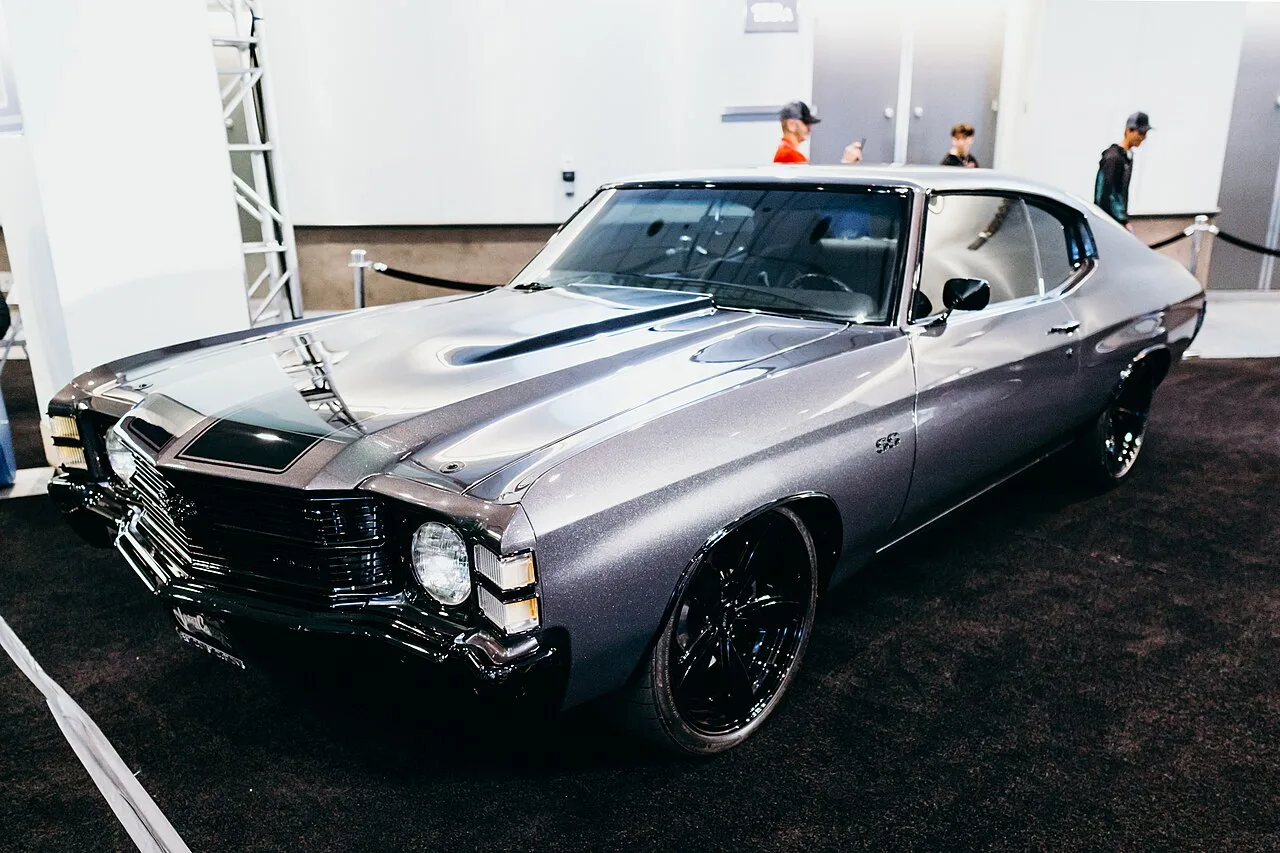
A custom Chevelle coupe shows how paint, body treatment, lighting and wheel choice can follow one design theme instead of a factory-restoration target. It is a representative show car, not a WhipKingz build. Photo: Stacy Sheff · CC0 1.0. Resized and compressed; full framing preserved.

Full custom is right when the point is to create a car that did not leave the factory that way. That might mean a donk, lowrider, pro-touring build, period-inspired street machine or a theme that refuses all tidy labels.
Freedom still needs discipline. Pick three visual rules before parts:
- Stance: high, low, level, raked or adjustable.
- Finish language: chrome, polished, brushed, painted or blacked out.
- Color story: primary body color plus a controlled set of accent colors.
Then make every visible choice answer to those rules. A wheel can be expensive and still be wrong for the car. The same is true of upholstery, lighting and engine-bay finishes.
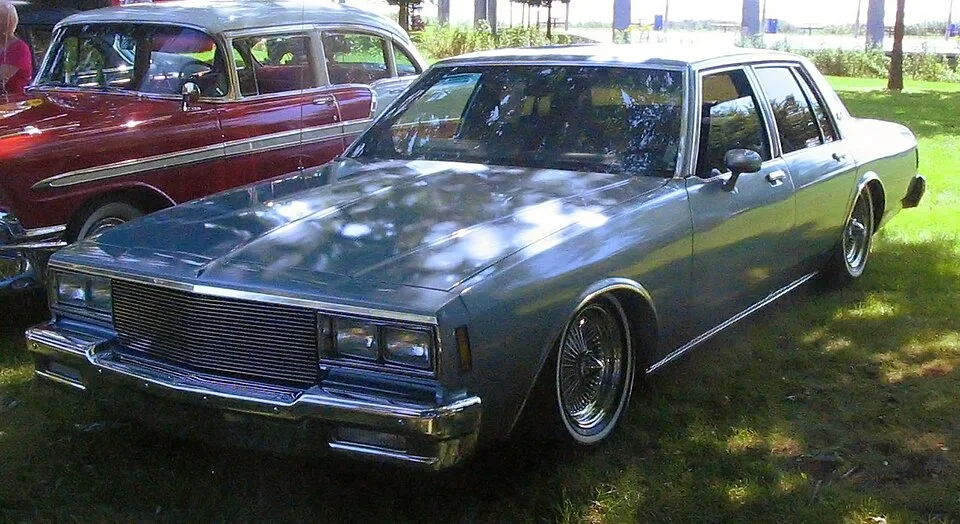
A lowered box Chevrolet Caprice on wire wheels demonstrates how stance and wheel style can redirect a familiar platform. This representative car was photographed in Montreal; the image does not establish measurements or safe fitment for another vehicle. Photo: Bull-Doser; color and noise adjustment by Ubcule · Public domain. Resized and compressed; full framing preserved.

Custom also demands more mock-up work. Wheel diameter alone tells you very little. Offset, backspacing, tire section width, suspension travel, steering clearance, brake clearance and body position all matter. The photograph above is inspiration, not a fitment recipe.
Use the car you have, not the car in your head
The same dream can be smart on one shell and wasteful on another. Before choosing a route, pay for an inspection and answer five questions:
- What is actually original? Record numbers and factory identifiers without jumping to conclusions.
- What has already been modified? Look for cut wiring, welded brackets, replaced floors, altered suspension points and missing trim.
- How complete is it? Rare small pieces can stall a restoration longer than major mechanical parts.
- Where is the serious corrosion or damage? Cosmetic shine should not outrank structure.
- Can the paperwork identify the car? Compare the visible VIN and ownership documents. For 1981-and-newer vehicles, NHTSA's public VIN decoder can identify manufacturer-reported encoded information, though it is not a substitute for marque-specific documentation or a title check.
Also search NHTSA recalls by VIN or year, make and model. NHTSA warns that its VIN result does not show recalls already repaired and generally does not show safety recalls more than 15 years old, so a zero-result screen is not a complete history report for an older car.
A simple decision test
Choose restoration if most of these sound like you:
- You care about factory-correct details and documented options.
- The car is complete, original or historically significant enough to preserve.
- You enjoy research and parts hunting.
- Judged authenticity or preservation recognition matters.
Choose restomod if:
- You plan to drive longer distances or in modern traffic.
- You value braking, gearing, cooling and comfort upgrades.
- You can accept that modernization may reduce eligibility in authenticity-focused classes.
- You want upgrades designed as connected systems.
Choose full custom if:
- The finished look is personal and intentionally non-factory.
- The starting car is already heavily modified or incomplete.
- You are willing to mock up stance, wheels, body and interior before final paint.
- You can hold one design direction from nose to trunk.
If your answers are evenly split, build a reversible first phase. Service the car, make it safe, document the original parts, and drive it before irreversible body or chassis work. Experience can settle arguments that mood boards cannot.
Questions to ask a restoration or custom shop
Bring the shop your intended route and ask:
- Which parts of this plan are reversible, and which require cutting or welding?
- What original components will be tagged, stored and returned?
- What documentation will I receive for hidden work, wiring, paint formulas and replacement parts?
- Which decisions must be locked before bodywork and paint?
- What is excluded from the estimate: freight, fabrication, machine work, tuning, alignment, upholstery or final detailing?
- How are change orders approved, priced and photographed?
- Can I speak with owners of two completed projects similar in scope?
Ask for milestones tied to visible deliverables, not vague percentages. Photograph the car at intake. Put storage, insurance, transportation and ownership of removed parts in writing. A handshake is friendly; a clear build agreement keeps it friendly.
Budget around uncertainty
Do not force the project into a confident single number before teardown. Use three buckets:
- Known work: quoted labor and parts already identified.
- Pending decisions: wheels, upholstery, paint level, engine choice and other scope you control.
- Discovery reserve: rust, hidden repairs, damaged threads, missing brackets, unusable cores and the thousand small surprises old cars have perfected.
The reserve is not permission to spend loosely. It is recognition that old paint and undercoating are excellent secret keepers. Track each bucket in the WhipKingz build calculator, and update the plan when evidence changes.
Browse the classics section for platform ideas, but write your own brief from the condition, completeness and purpose of your car. When the direction is clear and the work is documented, you can submit the finished build to WhipKingz without pretending it is something it is not.
The bottom line
Restoration protects a documented past. Restomod adapts that past for the way you plan to drive. Full custom uses it as raw material for a new statement.
The bad choice is not picking the “wrong” category. It is paying for factory-correct work, modern upgrades and custom fabrication without deciding which result should win when those goals collide.
Sources
Primary sources checked October 9, 2026:
- AACA 2026 Official Judging Guidelines.
- AACA 2026 vehicle classification summary.
- GM Heritage Archive vehicle information kits.
- Chevrolet Performance installation guides and owner support.
- NHTSA VIN decoder and recall lookup.
The route definitions, decision test, budgeting framework and shop questions are WhipKingz Editorial recommendations, not manufacturer standards or appraisals.
SHARE THIS ARTICLE
Written by
WhipKingz Editorial
Bringing you the best of car culture from around the world.