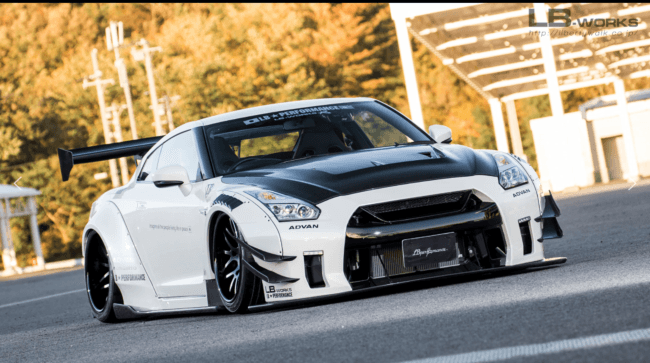
A tuner project is easier to evaluate when the goal is specific: a dependable daily driver, consistent track sessions, or a documented performance target. Start with the exact car and its present condition before choosing a parts list. A claimed power figure alone does not describe how the car drives or what the complete project costs.
Record the baseline
Write down the model year, engine, transmission, existing modifications, fuel used and maintenance history. If the car already has a tune, ask who supplied it, which hardware it expects and whether the original calibration is available. Request an inspection and resolve unexplained warning lights or running problems before pricing further modifications.
Compare complete proposals
Ask each shop to quote the same goal, including installation, calibration, supporting equipment, testing and follow-up. Separate measured results from estimates. For a performance comparison, retain the test conditions, fuel, equipment and original report; do not treat an unlabelled graph or social post as a verified result for your car.
Choose the evidence for a feature
A useful tuner story shows the starting configuration, the changes, who performed them and what was measured afterward. Keep dated photos and invoices, and explain what remains untested. Track times need the venue and conditions; a dyno result needs the test record. Appearance photos can illustrate the build without proving its output.
Planning questions prepared by WhipKingz Editorial. For independent inspection guidance, see the FTC used-car guide; its dealer-specific rules should be read in that context. Use vehicle and parts manufacturers' instructions for an actual installation. Updated October 12, 2026. Our editorial standards.