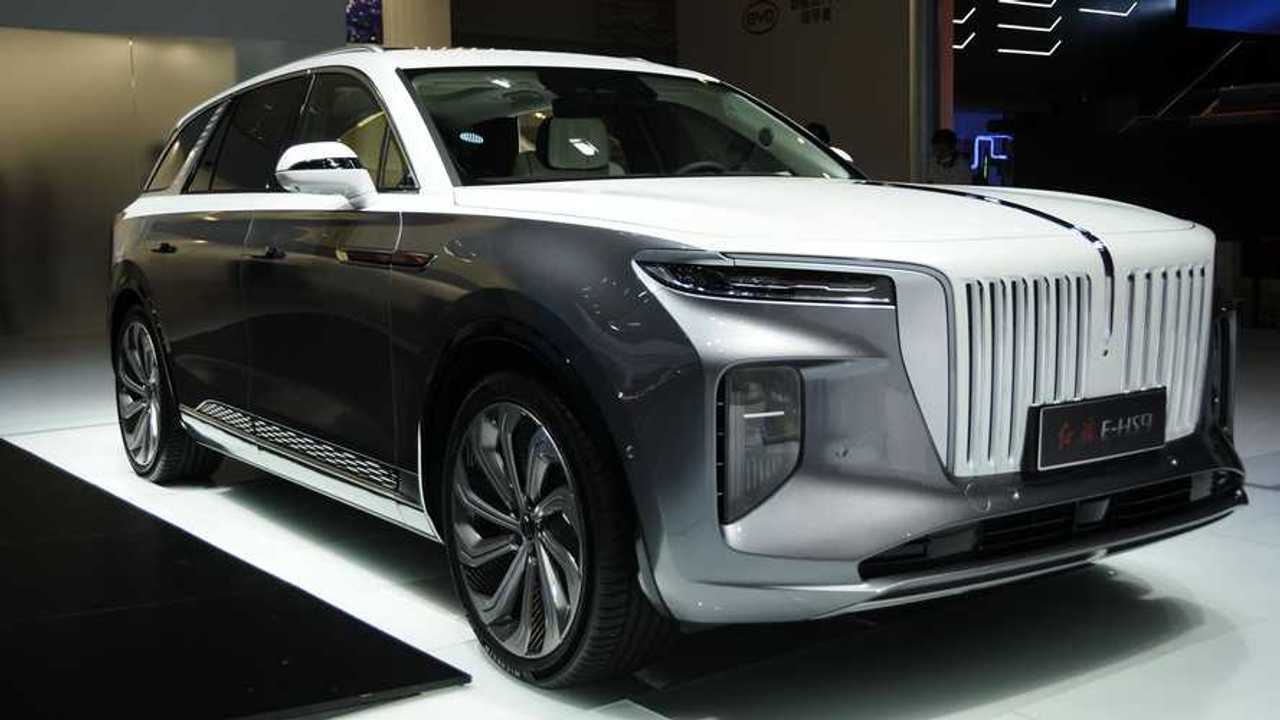
Import coverage includes preserved factory cars, daily drivers and modified builds from many markets. A model name alone may not identify the configuration you are buying parts for. Start with the actual year, chassis, engine, transmission and market specification, then decide which original details or modifications matter to you.
Resolve the vehicle's identity
Collect the identification documents, service records and available original equipment information. For a cross-market or engine-swapped car, ask the seller and a qualified specialist to explain the current configuration. Check registration and applicable requirements with the responsible authority before a purchase. Do not assume that a similarly named domestic model has identical parts or documentation.
Plan around availability
A parts proposal should state the exact application and part numbers, plus the supplier's compatibility confirmation. Ask which items are available, which require import or fabrication and what lead times apply. Include freight, installation and follow-up work in the written scope. Preserve removed original parts and their labels when they matter to the direction of the project.
Choose preservation or performance deliberately
A preserved interior, a carefully documented engine conversion and a track-focused build each deserve their own explanation. Write down the reasons for the chosen direction and the work already completed. For a feature, distinguish factory specifications from later modifications, credit the shops and identify any performance statements that have not been measured.
Planning questions prepared by WhipKingz Editorial. For independent inspection guidance, see the FTC used-car guide; its dealer-specific rules should be read in that context. Use vehicle and parts manufacturers' instructions for an actual installation. Updated October 12, 2026. Our editorial standards.